

Healing After Trauma
Healing doesn’t mean the pain never existed. It means the damage no longer controls our lives.
– B. K. Shivani
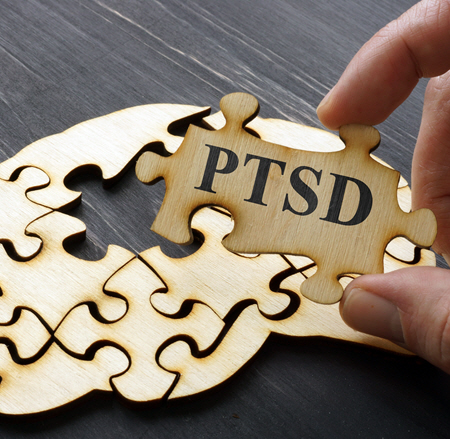 What is trauma?
A traumatic stress response develops and gets stuck in the nervous system after witnessing, experiencing, or hearing about one or many overwhelming experiences.
Examples of single event traumas are a car accident, a medical procedure, or a fire. Multiple or complex events include chronic illness, family violence, prolonged or complicated grief and loss, childhood neglect, or living or working in a toxic, stressful environment.
Most people have experienced negative or challenging stressors in their lives. When traumas aren’t able to be released through ones physiology with the right kind of support, there’s a reflexive stuckness that the body isn’t able to move or change.
The brain and body learned to disconnect from the experiences to reduce overwhelm to survive and was unable to assimilate and let go of what happened at the time.
When the alarm bell of the emotional brain keeps signaling that you are in danger, no amount of insight will silence it.
– Bessel van der Kolk, M.D.
 Stuck in States
People who have experienced traumas can become caught in the same state in their everyday lives, even though the threat has passed. These responses occur so fast that the brain doesn’t have time to reason and talk oneself down with a present-time perspective. Nervous systems respond naturally through these survival reflexes:
Fight: impulse to aggress (urges to punch or kick, yell, or express intense anger and rage)
Flight: impulse to get away fast (fidgety, restless, trapped, isolation, avoidance)
Freeze: impulse to freeze up (rigid, frozen, panicked, dread, shallow/held breath)
Fall: impulse to numb out (slowed energy/movement, shut down, disconnected, fixed gaze)
Fawn: impulse to please others (troubles saying no or not voicing own needs or wants)
 Here are some Signs and Symptoms:
People with stuck trauma endure chronic anxiety. Bursts of uninvited old memories surface in reaction to obvious or subtle reminders. These flashes can be visual, body, or emotional memories.
Falling asleep is challenging because the body can’t relax. Sleep is broken and restless and nightmares startle into panic awakenings.
Avoiding inside and outside reminders keeps intense body sensations, images, and emotions at bay. Suddenly thinking, feeling, and acting younger or feeling floaty or disconnected can occur in those with complex childhood trauma experiences.
Being “on guard” or watchful is frequent. Loud noises or people entering the room might lead to jumpiness, even if the person who approached or the noise itself was harmless. Risk-taking or adrenaline-pumping activities are relied on to feel “alive” and reduce numbing. Shutting down and feeling depressed is prompted by high-anxiety exhaustion and self-blame.
Because the brain is stuck in states that impair focus and creativity, school and work take the brunt. Close relationships get hit even harder and friendships become difficult to establish and maintain.
 So many trauma therapy options…
There are many treatment options to recover from trauma. How do you choose?
What’s most important is to select a provider who states a specialty and experience in treating trauma-related experiences. Therapists trained in multiple approaches can better individualize treatment.
Having a positive working relationship with the therapist is vital. Trusting your gut when selecting a trauma therapist is essential.
There’s Hope for Healing.
Relief after trauma is possible with personalized support and treatment.
Start living fully again.
Reach out today for your free 15-minute consultation, and we can see if what I offer is a good fit for you.
Once you choose hope, anything is possible.
– Christopher Reeve